
Embark on a journey through the world of commercial HVAC maintenance services, where the importance of regular upkeep is highlighted to ensure the efficiency and longevity of your systems. Explore the different types of maintenance services available, factors to consider when choosing a provider, and the cost analysis involved in keeping your HVAC systems in top shape.
Learn how neglecting maintenance can lead to costly issues and how investing in professional services can save you time and money in the long run.
Importance of Commercial HVAC Maintenance Services
Regular maintenance for commercial HVAC systems is crucial to ensure optimal performance and longevity. Neglecting maintenance can lead to decreased efficiency, higher energy bills, and costly repairs that could have been prevented. By investing in professional maintenance services, businesses can avoid these issues and enjoy a range of benefits.
Impact of Neglecting Maintenance
Without proper maintenance, commercial HVAC systems can experience a range of problems. These may include clogged filters reducing airflow, dirty coils affecting cooling capacity, and worn-out components leading to system breakdowns. Neglecting maintenance can result in decreased indoor air quality, uncomfortable working conditions, and potential health hazards for occupants.
Benefits of Professional Maintenance Services
Investing in professional maintenance services can help businesses save money in the long run. Regular inspections and tune-ups can improve system efficiency, reduce energy consumption, and extend the lifespan of HVAC equipment. Professional technicians can also identify and address potential issues before they escalate, minimizing the risk of unexpected breakdowns and costly repairs.
Overall, regular maintenance can ensure a comfortable and healthy indoor environment for employees and customers.
Types of Commercial HVAC Maintenance Services
When it comes to maintaining commercial HVAC systems, there are different types of maintenance services that can be performed to ensure optimal performance and efficiency. These services are crucial for preventing breakdowns, extending the lifespan of the equipment, and reducing energy consumption.
Preventive Maintenance
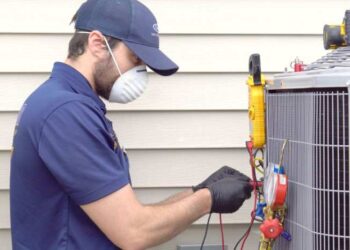
Preventive maintenance involves regular inspections, cleaning, and adjustments to ensure that the HVAC system is functioning properly. This type of maintenance is proactive and helps to identify potential issues before they escalate into major problems.
- Inspection of all components
- Cleaning of coils and filters
- Lubrication of moving parts
- Checking refrigerant levels
Preventive maintenance is typically scheduled on a regular basis, such as quarterly or bi-annually, to keep the system running smoothly.
Reactive Maintenance
Reactive maintenance, also known as corrective maintenance, is carried out in response to an unexpected breakdown or malfunction of the HVAC system. This type of maintenance is performed to restore the system to its normal operating condition.
- Diagnosing the issue
- Repairing or replacing faulty components
- Testing the system to ensure proper functioning
- Implementing measures to prevent future breakdowns
Reactive maintenance is conducted as needed, whenever there is a problem with the HVAC system that requires immediate attention.
Factors to Consider When Choosing a Commercial HVAC Maintenance Provider
When selecting a commercial HVAC maintenance provider, several key factors should be taken into consideration to ensure the efficiency and effectiveness of the maintenance services.
Specialized HVAC Maintenance Company vs. General Maintenance Service
One of the crucial decisions to make is whether to hire a specialized HVAC maintenance company or a general maintenance service provider. Specialized HVAC companies typically have a deeper understanding of commercial HVAC systems, which can lead to more accurate diagnostics and efficient repairs.
On the other hand, general maintenance services may lack the specialized knowledge required for complex HVAC systems.
Certifications and Experience
It is essential to check for certifications and experience when choosing a maintenance provider. Certifications such as NATE (North American Technician Excellence) ensure that the technicians have the necessary skills and knowledge to handle commercial HVAC systems effectively. Experience in working with similar systems can also indicate a provider's expertise and reliability.
Reputation and Reliability
Evaluating the reputation and reliability of a maintenance provider is crucial in making an informed decision. Checking online reviews, asking for references, and looking into the provider's track record can help determine their reliability. A reputable maintenance provider should have a history of delivering quality services and prompt responses to maintenance requests.
Cost Analysis of Commercial HVAC Maintenance Services
Regular maintenance of commercial HVAC systems is essential to ensure optimal performance and longevity. Let's delve into the cost analysis of commercial HVAC maintenance services and how they can benefit your business in the long run.
Breakdown of Costs
- Preventive Maintenance: This type of maintenance involves routine inspections, filter replacements, and system tune-ups to prevent breakdowns. The cost typically ranges from $200 to $500 per visit, depending on the size of the system and the extent of service required.
- Corrective Maintenance: When a component of the HVAC system fails, corrective maintenance is needed to repair or replace the faulty part. The costs can vary greatly depending on the severity of the issue, but they can range from $500 to $1500 or more.
- Emergency Repairs: Unexpected breakdowns can lead to emergency repair services, which are usually the most expensive. Costs can skyrocket to $2000 or more, especially if the repair is complex and requires immediate attention.
Benefits of Regular Maintenance
Regular maintenance can help prevent costly repairs in the long run by addressing minor issues before they escalate into major problems. By investing in professional maintenance services, businesses can save money on emergency repairs and prolong the lifespan of their HVAC systems.
This proactive approach not only ensures uninterrupted operation but also improves energy efficiency, leading to cost savings on utility bills.
Potential Savings and ROI
For every dollar spent on preventive maintenance, businesses can save up to $4 in avoided repairs and energy costs.
Investing in cost-effective maintenance plans can result in significant savings over time, making it a worthwhile investment for businesses looking to maximize their HVAC system's performance and longevity.
Cost-Effective Maintenance Plans
- Annual Maintenance Contracts: Many HVAC companies offer annual maintenance contracts that cover regular inspections, tune-ups, and priority service in case of emergencies. These contracts can range from $300 to $800 per year, depending on the level of service required.
- Customized Maintenance Plans: Some companies provide customized maintenance plans tailored to the specific needs of the business. These plans may include additional services such as air quality testing, duct cleaning, and energy efficiency assessments, with costs varying based on the scope of work.
Closing Summary
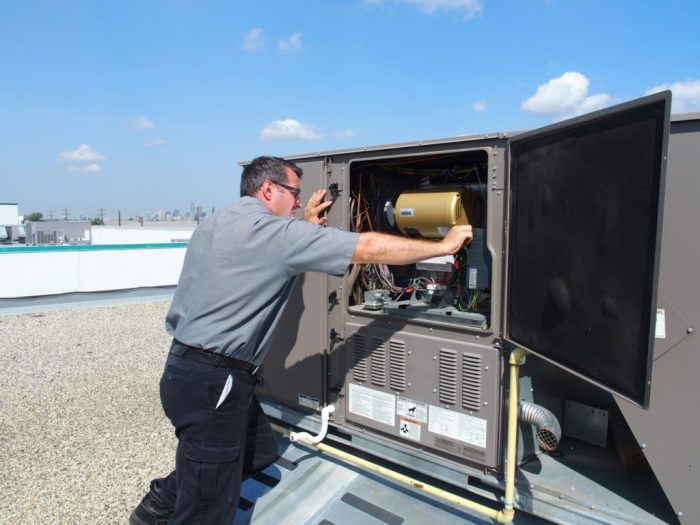
In conclusion, commercial HVAC maintenance services are essential for businesses looking to optimize their operations and save on repair costs. By choosing the right maintenance provider and investing in regular upkeep, you can ensure that your HVAC systems work efficiently for years to come.
Common Queries
How often should commercial HVAC systems undergo maintenance?
It is recommended to have commercial HVAC systems serviced at least twice a year to ensure optimal performance.
What are the benefits of preventive maintenance over reactive maintenance?
Preventive maintenance helps identify potential issues before they become major problems, saving time and money in the long run.
How do certifications and experience factor into choosing a maintenance provider?
Certifications ensure that the provider meets industry standards, while experience indicates proficiency in handling various HVAC systems.