
Embark on a journey through the world of heating and cooling systems, where comfort meets efficiency and innovation. From the importance of maintaining these systems to the different types available, this guide covers it all.
Importance of Heating and Cooling Systems
Efficient heating and cooling systems play a crucial role in both residential and commercial buildings, ensuring a comfortable environment regardless of the outside temperature. These systems are essential for maintaining a consistent indoor temperature, especially during extreme weather conditions.
Impact on Indoor Air Quality and Comfort
Well-functioning HVAC systems contribute significantly to indoor air quality by regulating humidity levels and filtering out pollutants and allergens. This leads to a healthier living or working environment, reducing the risk of respiratory issues and other health problems. Additionally, properly maintained heating and cooling systems help create a comfortable atmosphere, enhancing productivity and overall well-being.
Energy-saving Benefits
Properly regulated heating and cooling systems can result in substantial energy savings. By ensuring that these systems are running efficiently, property owners can reduce their energy consumption and lower utility bills. This not only benefits the environment by decreasing carbon emissions but also helps individuals and businesses save money in the long run.
Types of Heating Systems
When it comes to heating systems, there are several common types that are widely used in residential and commercial buildings. Each type has its own advantages and disadvantages, catering to different needs and preferences.
Furnaces
Furnaces are one of the most popular heating systems, especially in colder climates. They work by heating air and distributing it throughout the building using ductwork. Furnaces can run on various fuels such as natural gas, propane, or electricity.
Heat Pumps
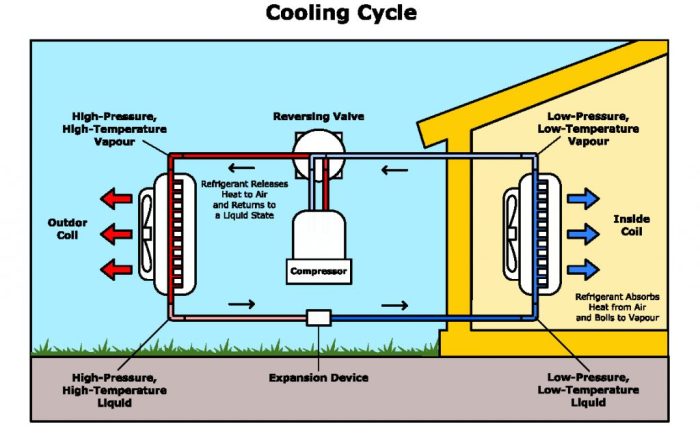
Heat pumps are another efficient heating system that can also provide cooling during the summer months. They work by transferring heat from the outside air to inside the building, or vice versa, depending on the season. This makes them a versatile option for year-round comfort.
Boilers
Boilers use water to distribute heat throughout a building. The heated water is circulated through pipes and radiators to provide warmth. Boilers can run on gas, oil, or electricity, and are known for their reliability and even heat distribution.
Radiant Heating
Radiant heating systems work by heating objects in a room, such as floors, walls, or ceilings, which then radiate heat to the occupants. This type of heating provides a comfortable and consistent warmth, without the need for ductwork.
Forced-air systems like furnaces are known for their quick heating capabilities, while radiant heating systems offer a more even distribution of heat, resulting in a comfortable environment.
Each type of heating system has its own set of advantages and disadvantages. Furnaces are efficient at quickly heating a space, but they can be noisy and may lead to uneven temperatures. Heat pumps are energy-efficient, but may struggle in extremely cold climates.
Boilers provide consistent heat, but installation costs can be higher. Radiant heating offers luxurious warmth, but can be expensive to install.
Types of Cooling Systems
When it comes to cooling systems, there are several options available to keep your indoor environment comfortable. Let's explore the different types of cooling systems and their efficiency in various settings.
Central Air Conditioning
Central air conditioning systems are a popular choice for cooling large homes or buildings. They use ducts to distribute cool air throughout the space, providing consistent temperature control. These systems are efficient in hot and humid climates but may require regular maintenance to ensure optimal performance.
Ductless Mini-Split Systems
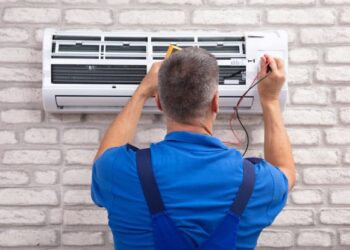
Ductless mini-split systems offer a flexible cooling solution for homes without existing ductwork. These systems consist of an outdoor compressor unit and indoor air-handling units, allowing for individual temperature control in different rooms. Ductless mini-split systems are energy-efficient and provide zoned cooling, making them a great option for homes with varying temperature needs.
Evaporative Coolers
Evaporative coolers, also known as swamp coolers, are ideal for dry climates where humidity levels are low. These systems work by drawing warm air through water-saturated pads, cooling it through evaporation, and then circulating the cooled air into the space.
Evaporative coolers consume less energy compared to traditional air conditioners and are cost-effective to operate.
Maintenance Tips for Heating and Cooling Systems
Regular maintenance is crucial for ensuring the optimal performance and longevity of your heating and cooling systems. By following a few simple tasks, you can prevent breakdowns, improve energy efficiency, and save money on costly repairs.
Importance of Changing Filters
One of the most important maintenance tasks for heating and cooling systems is changing the filters regularly. Clogged filters can restrict airflow, reduce efficiency, and lead to system malfunctions. It is recommended to check and replace filters every 1-3 months, depending on usage.
Cleaning Ducts
Over time, dust, dirt, and debris can accumulate in the air ducts of your HVAC system, obstructing airflow and reducing indoor air quality. Regularly cleaning ducts can improve system efficiency, prevent mold growth, and enhance overall performance. Consider hiring a professional duct cleaning service every 3-5 years.
Scheduling Professional Inspections
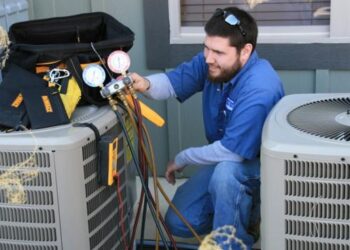
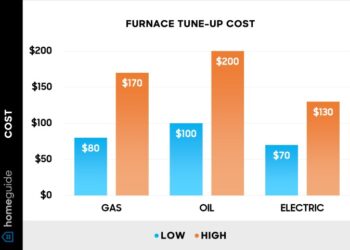
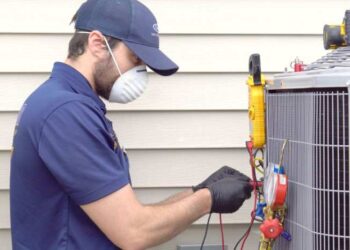
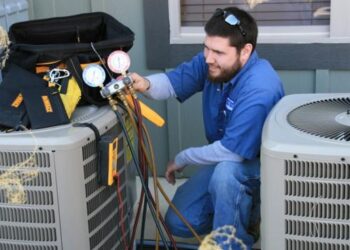
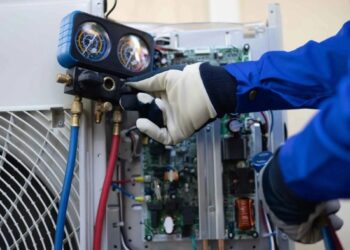
While DIY maintenance is essential, it is also crucial to schedule annual professional inspections for your heating and cooling systems. Certified technicians can identify potential issues, tune-up the system, and ensure that it is operating safely and efficiently. Regular inspections can extend the lifespan of your HVAC system and prevent major breakdowns.
Troubleshooting Common Issues
Some common issues with heating and cooling systems include uneven heating or cooling, strange noises, and frequent cycling on and off. If you encounter these problems, check the thermostat settings, inspect the air vents, and look for any visible damage or leaks.
If the issues persist, it is recommended to seek professional help to avoid further damage and ensure proper repairs.
Summary
In conclusion, heating and cooling systems play a crucial role in our daily lives, providing comfort and regulating indoor air quality. By understanding the types and maintenance tips Artikeld in this guide, you can ensure optimal performance and energy efficiency in your home or workplace.
Expert Answers
What are the benefits of maintaining efficient heating and cooling systems?
Efficient systems ensure comfort, improve indoor air quality, and save energy costs in the long run.
How do forced-air systems differ from radiant heating systems?
Forced-air systems distribute heat through ducts, while radiant heating systems emit heat through panels or tubes in floors or ceilings.
Which cooling system is best suited for different climates?
Central air conditioning is ideal for hot and humid climates, while evaporative coolers work well in dry climates.
What are some common maintenance tasks for heating and cooling systems?
Regularly changing filters, cleaning ducts, and scheduling professional inspections are key maintenance tasks.
When should you seek professional help for heating and cooling system issues?
If you encounter complex issues or if regular troubleshooting doesn't solve the problem, it's best to call a professional HVAC technician.