
Exploring the realm of HVAC maintenance, this introduction sets the stage for a deep dive into the importance of regular upkeep for your heating, ventilation, and air conditioning systems. From cost-saving benefits to improved energy efficiency, get ready to uncover the secrets to a well-maintained HVAC system.
As we delve further, we will unravel the intricacies of maintaining different components, share DIY tips for homeowners, and highlight the advantages of professional maintenance services.
Importance of HVAC Maintenance
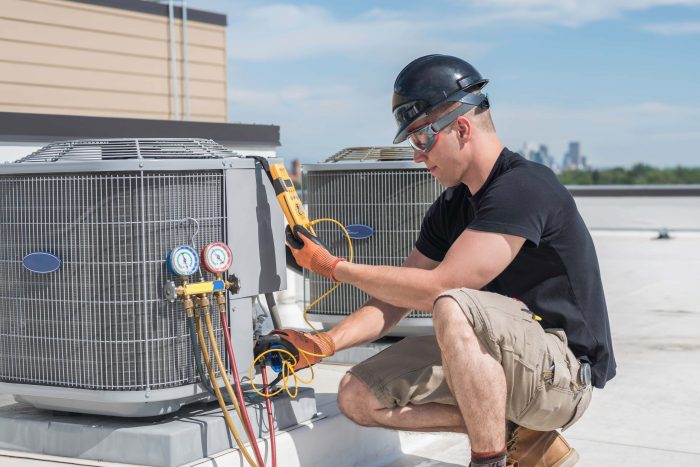
Regular maintenance of HVAC systems is crucial to ensure their optimal performance and longevity. Neglecting maintenance can lead to various issues that may result in costly repairs and reduced efficiency. Additionally, routine maintenance plays a significant role in improving energy efficiency and maintaining indoor air quality.
Costly Repairs Due to Neglect
Neglecting HVAC maintenance can result in various costly repairs, such as:
- Compressor failure due to dirty coils, leading to a complete system breakdown.
- Refrigerant leaks caused by lack of regular inspections, resulting in decreased cooling capacity.
- Electrical component malfunctions due to dust accumulation, increasing the risk of system failure.
Impact on Energy Efficiency and Indoor Air Quality
Regular maintenance of HVAC systems can have a positive impact on:
- Energy Efficiency: Proper maintenance, such as cleaning and replacing air filters, ensures that the system operates at peak efficiency, reducing energy consumption and utility costs.
- Indoor Air Quality: Routine maintenance helps eliminate dust, allergens, and pollutants from the air ducts, improving indoor air quality and creating a healthier environment for occupants.
Components of HVAC Maintenance
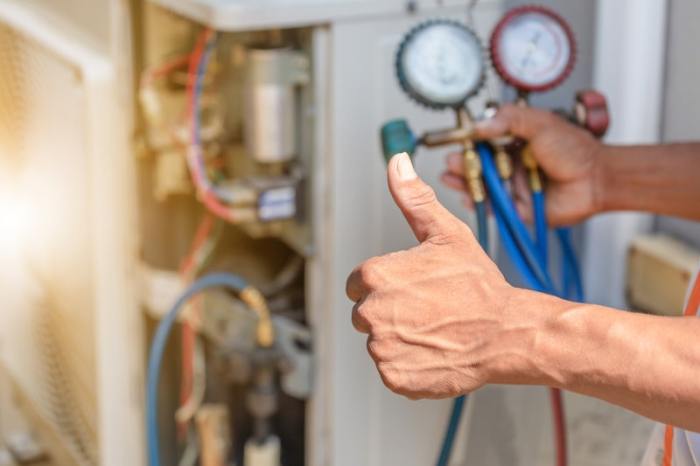
Regular maintenance of an HVAC system is essential to ensure optimal performance and longevity. Let's explore the key components that require attention and the recommended frequency of checks and services.
Air Filters
Air filters are crucial components of an HVAC system as they help to maintain indoor air quality by trapping dust, dirt, and other particles. It is important to check and clean or replace air filters regularly to ensure proper airflow and prevent the system from working harder than necessary.
Depending on the type of filter used, it is generally recommended to inspect and replace filters every 1 to 3 months.
Coils
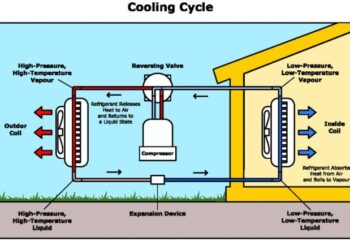
Both the evaporator and condenser coils in an HVAC system play a vital role in heat exchange. Over time, these coils can accumulate dirt and debris, reducing their efficiency. Regular inspection and cleaning of coils can help improve energy efficiency and prevent system breakdowns.
It is advisable to have a professional service technician clean the coils at least once a year.
Refrigerant Levels
Proper refrigerant levels are essential for the efficient operation of an HVAC system. Low refrigerant levels can lead to decreased cooling capacity and increased energy consumption. It is important to have a qualified technician check refrigerant levels and top them up if needed.
This should be done annually as part of routine maintenance.
Ductwork
The ductwork in an HVAC system plays a critical role in distributing heated or cooled air throughout the building. Leaks or blockages in the ducts can lead to energy waste and uneven heating or cooling. Inspecting and sealing ductwork on a regular basis can help improve the system's efficiency and indoor comfort.
Professional duct cleaning should be performed every 3 to 5 years.
Thermostat
The thermostat is the control center of an HVAC system, regulating the temperature in the building. It is important to check the thermostat settings and calibrate it if necessary to ensure accurate temperature control. Battery replacement and software updates should also be carried out periodically to maintain optimal performance.
Conclusion
Regular maintenance of the key components of an HVAC system is essential to ensure efficient operation, prolong the system's lifespan, and maintain indoor comfort. By following a routine maintenance schedule and addressing issues promptly, you can save energy costs and prevent costly repairs in the long run.
DIY HVAC Maintenance Tips
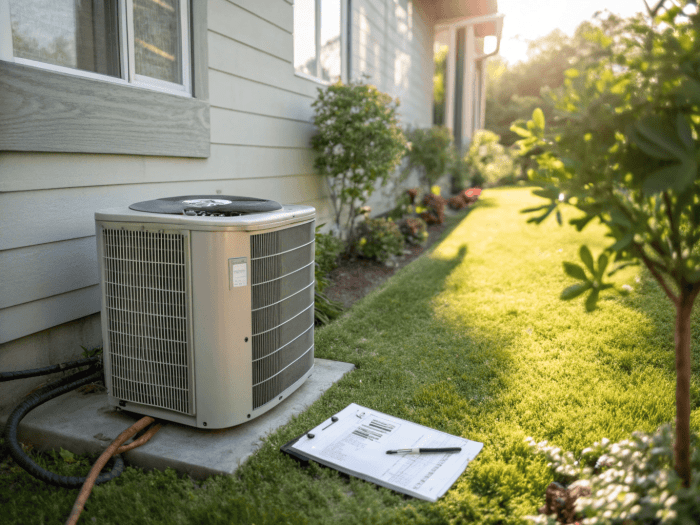
Regular maintenance of your HVAC system is crucial to ensure its efficiency and longevity. Here are some simple tasks that homeowners can perform to keep their HVAC system running smoothly.
Cleaning Air Filters
Regularly cleaning or replacing air filters is essential to maintain proper airflow and indoor air quality. Follow these steps:
- Turn off the HVAC system.
- Locate the air filter - usually found behind a vent or cover.
- Remove the filter and clean it with a vacuum or wash it if reusable.
- Allow the filter to dry completely before reinstalling it.
Cleaning Vents and Registers
Clean vents and registers help improve airflow and prevent dust buildup. Here's how to clean them:
- Remove the vent covers and wash them with soap and water.
- Vacuum inside the ducts to remove any dust or debris.
- Use a damp cloth to wipe down the vents and registers.
- Make sure they are completely dry before reattaching them.
Cleaning Coils
Dirty coils can reduce the efficiency of your HVAC system. Follow these steps to clean the coils:
- Turn off the power to the HVAC system.
- Locate the evaporator and condenser coils - usually found in the indoor and outdoor units.
- Use a soft brush to gently clean the coils and remove any debris.
- Spray the coils with a coil cleaner and let it sit for a few minutes.
- Rinse the coils with water and allow them to dry completely before turning the system back on.
Remember to always prioritize safety when performing DIY maintenance tasks. If you encounter any issues or feel uncomfortable, don't hesitate to call a professional for help.
Benefits of Professional HVAC Maintenance
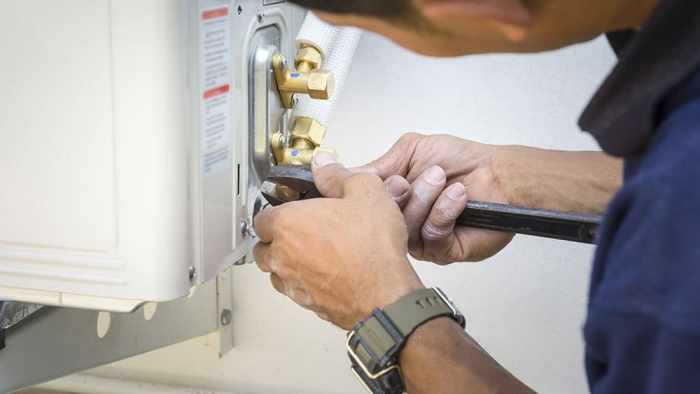
Professional HVAC maintenance offers several advantages over DIY maintenance, ensuring optimal performance and longevity of your HVAC system.
Prolonged Lifespan of HVAC Systems
Professional HVAC technicians have the expertise and knowledge to conduct thorough inspections and maintenance tasks that can significantly extend the lifespan of your HVAC system. They can identify potential issues early on and address them before they escalate into costly repairs or replacements.
Comprehensive Checks and Services
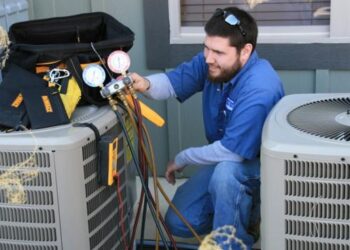
During a professional maintenance visit, HVAC technicians perform a range of comprehensive checks and services, including inspecting and cleaning the condenser coils, checking refrigerant levels, testing the thermostat, lubricating moving parts, and ensuring proper airflow. These detailed inspections help prevent breakdowns, improve energy efficiency, and enhance indoor air quality.
Advantages of Hiring a Professional
"Professional HVAC maintenance can save you time, money, and hassle in the long run by ensuring your system operates efficiently and effectively."
- Professional technicians have the necessary tools and equipment to perform intricate tasks that may be challenging for DIY enthusiasts.
- They have the expertise to identify and resolve issues accurately, preventing potential safety hazards and costly repairs.
- Regular professional maintenance can also help maintain the manufacturer's warranty on your HVAC system, ensuring you stay covered in case of any major malfunctions.
Final Conclusion
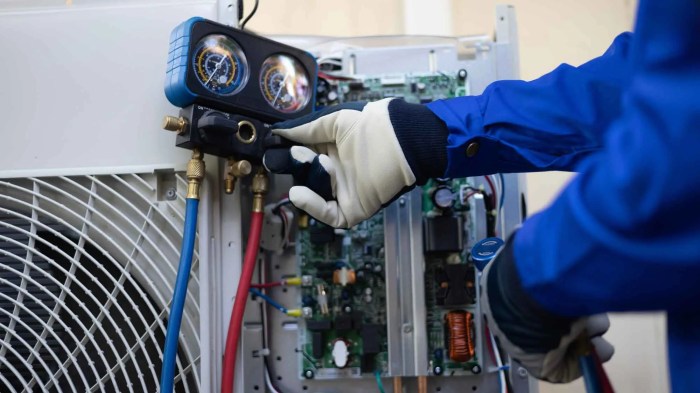
In conclusion, understanding the significance of HVAC maintenance is key to ensuring optimal performance and longevity of your system. By following the guidelines Artikeld in this comprehensive discussion, you can proactively care for your HVAC system and enjoy a comfortable indoor environment year-round.
FAQ Corner
How often should HVAC filters be replaced?
It is recommended to replace HVAC filters every 1-3 months, depending on usage and filter type.
Can I perform maintenance on my HVAC system myself?
While there are DIY tasks you can do, it's best to leave complex maintenance to professionals to avoid damaging the system.
What are the signs that my HVAC system needs maintenance?
Signs include strange noises, reduced airflow, uneven heating/cooling, and increased energy bills.