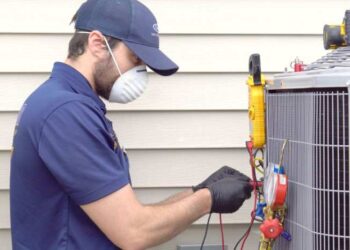

As the importance of HVAC service continues to grow, this introduction sets the stage for a comprehensive exploration of the topic. With a blend of informative insights and practical advice, readers are invited to delve into the world of HVAC maintenance and servicing with a fresh perspective.
The following section will delve into the various aspects of HVAC service, shedding light on key practices and procedures that can help optimize system performance.
Overview of HVAC Service
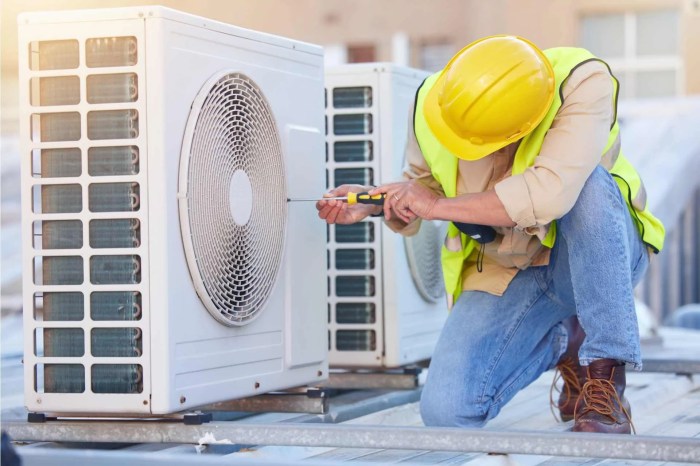
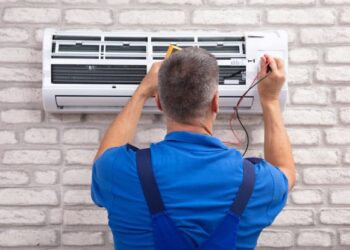
HVAC service, which stands for Heating, Ventilation, and Air Conditioning service, refers to the maintenance, repair, and installation of systems that control the indoor climate of a building or home.
Regular HVAC maintenance is crucial to ensure the efficient operation of these systems. It helps prevent breakdowns, extends the lifespan of the equipment, and maintains indoor air quality.
Common HVAC Systems
- Central Air Conditioning Systems: These systems use ducts to distribute cooled air throughout a building.
- Furnaces: Furnaces provide heating by burning fuel and distributing the warm air through ducts.
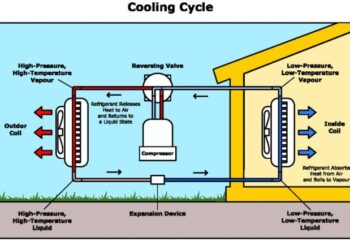
- Heat Pumps: Heat pumps can both heat and cool a space by transferring heat between the indoors and outdoors.
- Ductless Mini-Split Systems: These systems provide targeted heating and cooling to specific zones without ductwork.
Benefits of Professional HVAC Service
When it comes to maintaining your HVAC system, hiring a professional service provider can offer numerous advantages that can benefit both your system and your wallet in the long run.
Improved Energy Efficiency
Professional HVAC service providers have the expertise and tools to ensure that your system is running at optimal efficiency. By conducting regular maintenance checks, cleaning filters, and inspecting for any issues, professionals can help improve the energy efficiency of your HVAC system.
This can result in lower energy bills and reduced carbon footprint.
Extended Lifespan of HVAC Systems
Regular maintenance by professionals can help extend the lifespan of your HVAC system. By addressing small issues before they escalate into major problems, professional servicing can prevent premature system breakdowns and costly repairs. With proper care and maintenance, your HVAC system can continue to provide reliable heating and cooling for years to come.
Common HVAC Service Procedures
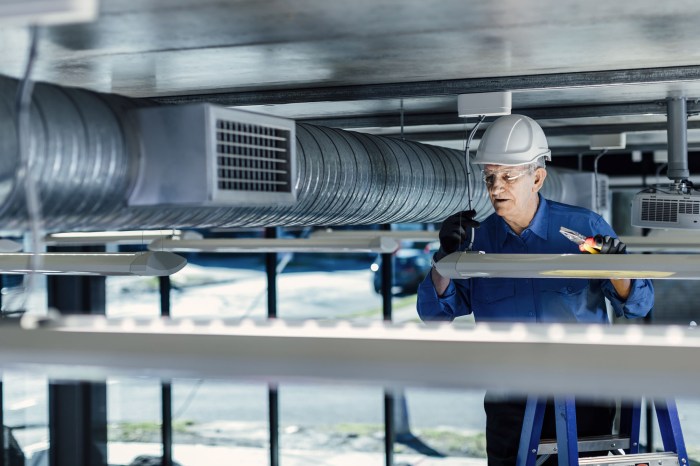
Regular maintenance is essential to keep HVAC systems running efficiently and effectively. Here are some common HVAC service procedures that are typically performed during a service.
Typical Maintenance Tasks
- Inspecting and cleaning the condenser and evaporator coils to ensure proper heat transfer.
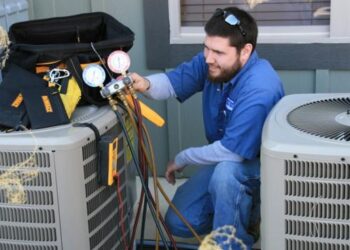
- Checking and adjusting refrigerant levels to optimize cooling performance.
- Tightening electrical connections and lubricating moving parts to prevent system failures.
Process of Troubleshooting HVAC Issues
- Diagnosing the problem by checking the thermostat settings and electrical connections.
- Testing the capacitors, relays, and other components to identify faulty parts.
- Repairing or replacing damaged components to restore system functionality.
Importance of Cleaning and Replacing Filters
Regularly cleaning or replacing filters is crucial for maintaining indoor air quality and system efficiency.
Dirty filters can restrict airflow, leading to reduced efficiency and increased energy consumption.
- Filters should be checked monthly and replaced every 1-3 months, depending on usage.
- Clean filters can also prevent dust and debris buildup in the system, extending its lifespan.
Signs That Indicate HVAC Service is Needed
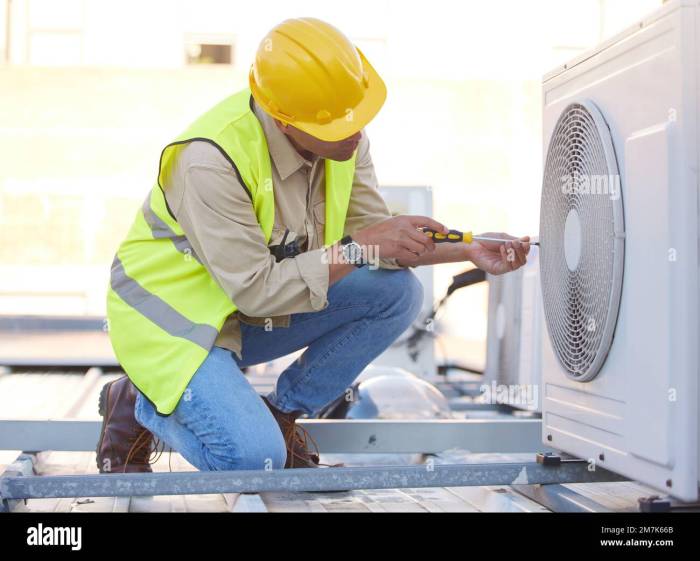
When it comes to maintaining your HVAC system, it's crucial to be aware of the signs that indicate when service is needed. Ignoring these signs can lead to more significant problems in the long run, impacting the efficiency and longevity of your system.Unusual sounds or odors coming from your HVAC system can be clear indicators that something is not right.
If you hear grinding, squealing, or banging noises, or notice strange smells like burning or mustiness, it's time to call a professional HVAC technician to inspect and address the issue.
Impact of Poor Indoor Air Quality
Poor indoor air quality can be a significant factor in the need for HVAC service. When your HVAC system is not functioning correctly, it can lead to a buildup of pollutants and allergens in the air, causing health issues and discomfort for you and your family.
If you notice an increase in allergies, respiratory problems, or a general feeling of stuffiness in your home, it may be time to have your HVAC system serviced to improve air quality.
DIY HVAC Maintenance Tips
Maintaining your HVAC system between professional services is crucial to ensure optimal performance and longevity. By following these DIY maintenance tips, you can keep your system running smoothly and efficiently.
Check for Air Leaks and Improve Insulation
When your home has air leaks or insufficient insulation, your HVAC system has to work harder to maintain the desired temperature, leading to increased energy consumption and wear and tear on the system. Here are some tips to address this:
- Inspect windows and doors for drafts and seal any gaps with weatherstripping or caulking.
- Check for gaps around electrical outlets, pipes, and vents, and use expanding foam to seal them.
- Ensure your home is properly insulated, especially in the attic and walls, to prevent heat loss in winter and heat gain in summer.
Change Air Filters Regularly and Clean Vents
Air filters play a vital role in maintaining good indoor air quality and efficient HVAC operation. Here's how you can take care of them:
- Check your air filters every 1-3 months and replace them if they appear dirty or clogged.
- Use high-quality air filters that are compatible with your HVAC system for optimal performance.
- Clean vents and registers regularly to remove dust, pet hair, and debris that can obstruct airflow.
Last Recap
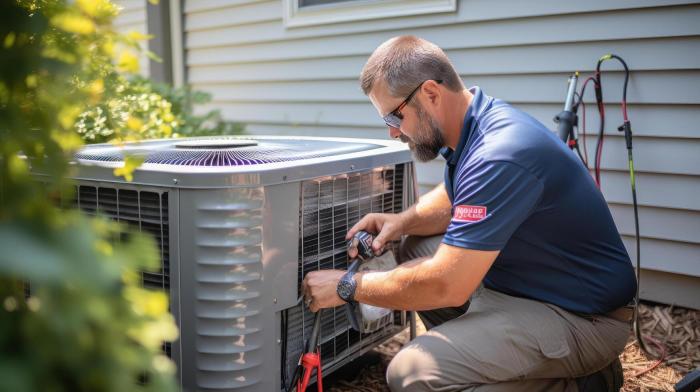
In conclusion, the significance of regular HVAC service cannot be overstated. By understanding the benefits, procedures, and signs that indicate the need for servicing, individuals can ensure their HVAC systems operate efficiently and effectively. Embracing a proactive approach to maintenance is key to maximizing the lifespan and performance of these essential systems.
Common Queries
What are the benefits of professional HVAC service?
Professional HVAC service providers offer expertise, ensuring optimal system performance and energy efficiency.
How can homeowners maintain their HVAC systems between professional services?
Homeowners can check for air leaks, improve insulation, change air filters, and clean vents regularly to optimize HVAC performance.
What are common signs that indicate the need for HVAC service?
Unusual sounds, odors, and poor indoor air quality are indicators that an HVAC system requires servicing.