
Delve into the world of HVAC systems, where comfort meets efficiency. From understanding the intricate components to maximizing energy efficiency, this guide offers a deep dive into the realm of heating, ventilation, and air conditioning systems.
Overview of HVAC Systems
HVAC (Heating, Ventilation, and Air Conditioning) systems play a crucial role in maintaining comfortable indoor environments in buildings by regulating temperature, humidity, and air quality.
Components of an HVAC System
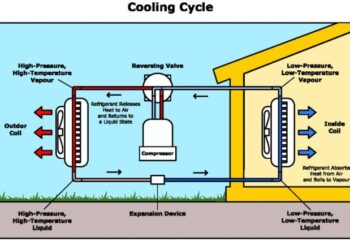
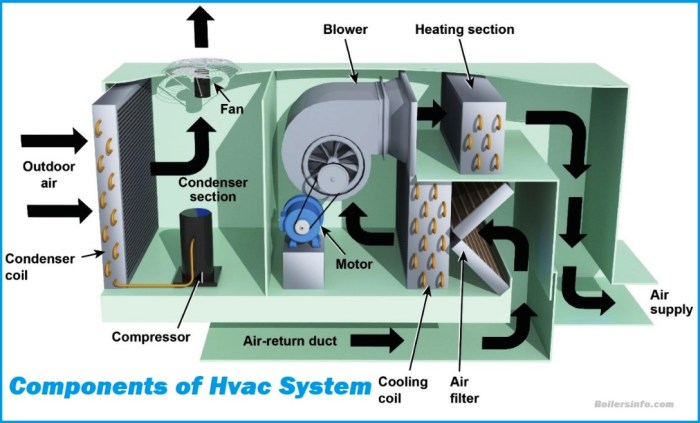
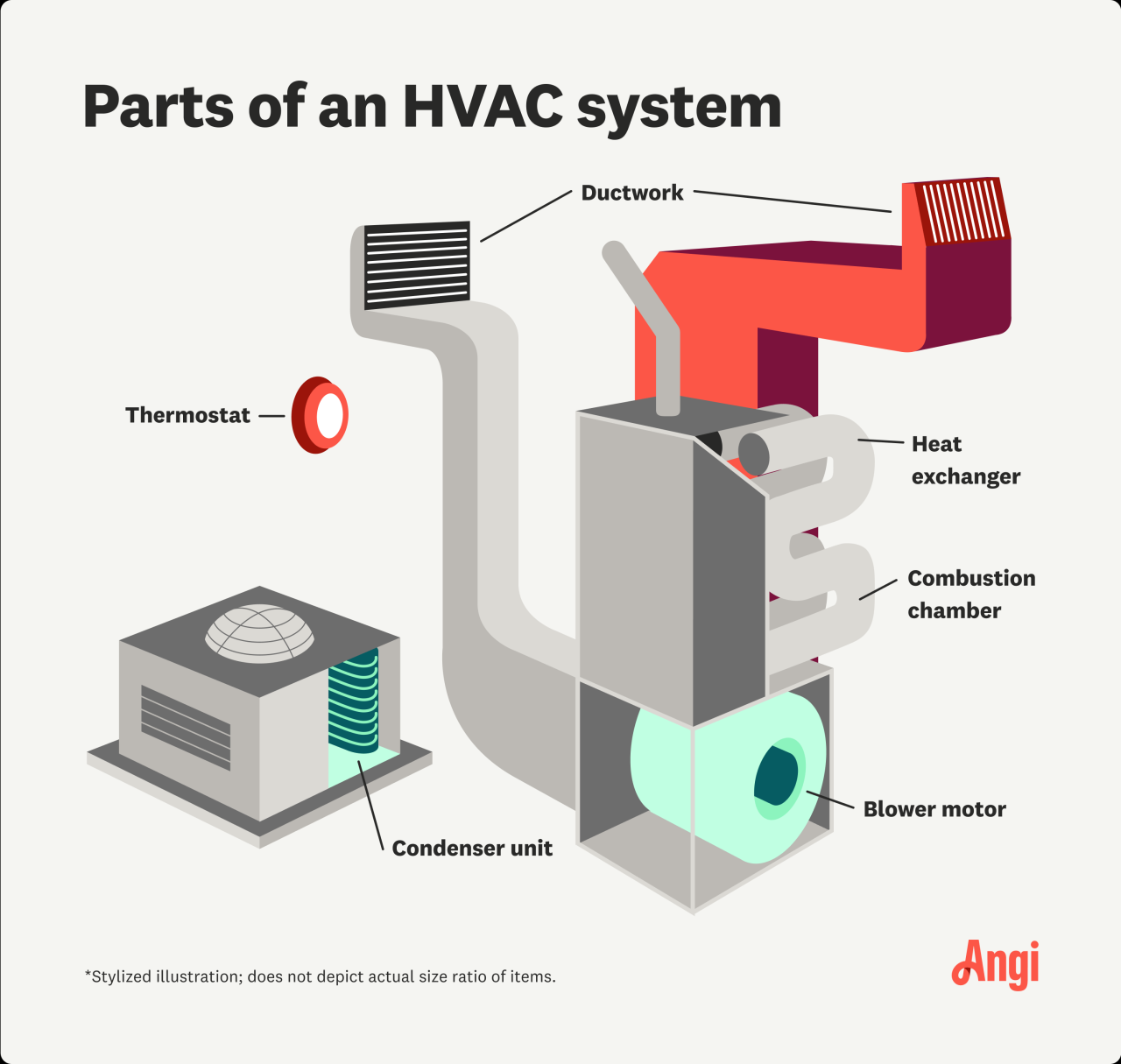
An HVAC system consists of various components working together to provide heating, cooling, ventilation, and air quality control. Some key components include:
- Thermostat: Controls the temperature settings
- Furnace/Heat Pump: Provides heating
- Air Conditioner: Offers cooling
- Ductwork: Distributes air throughout the building
- Ventilation system: Maintains air circulation
- Air filters: Remove dust, pollen, and other particles
Types of HVAC Systems
There are several types of HVAC systems designed to meet different needs and spaces. Some common examples include:
- Central HVAC System: Uses ductwork to deliver heated or cooled air throughout the building
- Split HVAC System: Divides components between indoor and outdoor units
- Ductless HVAC System: Provides individualized heating and cooling without ductwork
- Heat Pump System: Transfers heat between indoor and outdoor units for efficient heating and cooling
Importance of Proper HVAC Installation
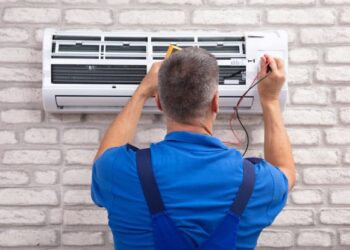
Proper installation of HVAC systems is crucial to ensure optimal performance and efficiency in heating, ventilation, and air conditioning. An improperly installed system can lead to various issues, including reduced efficiency, higher energy bills, and frequent breakdowns. Therefore, it is essential to hire a professional for the installation process to avoid these problems.
Significance of Professional Installation
- Professional installers have the expertise and experience to correctly install HVAC systems according to manufacturer specifications.
- They can ensure that the system is properly sized for the space, preventing issues such as inadequate heating or cooling.
- Professional installation can also help maintain the warranty of the HVAC system, as many manufacturers require installation by a licensed technician for warranty coverage.
Impact of Improper Installation
- Improper installation can lead to leaks in ductwork, which can result in energy loss and reduced efficiency.
- Incorrectly installed components, such as the thermostat or air vents, can cause the system to work harder than necessary, leading to increased wear and tear.
- Improper airflow due to installation errors can result in uneven heating or cooling throughout the space.
Tips for Ensuring Proper HVAC Installation
- Research and hire a reputable HVAC contractor with proper licensing and certification.
- Get multiple quotes and compare the services offered by different installers.
- Ask for references and check online reviews to ensure the contractor has a good track record.
- Ensure the contractor performs a load calculation to determine the right size of the HVAC system for your space.
- Request a written contract that Artikels the installation process, timeline, and costs involved.
HVAC System Maintenance
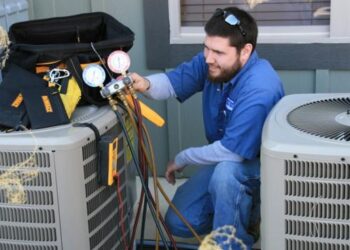
Regular maintenance of HVAC systems is crucial to ensure optimal performance, energy efficiency, and longevity of the system. Neglecting maintenance can lead to higher energy bills, poor indoor air quality, and costly repairs. By following a proper maintenance schedule, homeowners and businesses can avoid these issues and extend the lifespan of their HVAC system.
Importance of Regular Maintenance
- Changing filters: Regularly changing or cleaning filters is essential to prevent dust, dirt, and other particles from clogging the system and affecting air quality.
- Inspecting ductwork: Checking for leaks, cracks, or blockages in the ductwork can improve airflow and ensure that conditioned air reaches all areas of the building.
- Cleaning coils and fins: Dirty coils and fins can hinder the heat transfer process, causing the system to work harder and consume more energy.
- Lubricating moving parts: Proper lubrication reduces friction and wear on components, extending the life of the system.
- Checking refrigerant levels: Insufficient or excessive refrigerant can lead to inefficiencies and potentially damage the compressor.
Maintenance Schedule
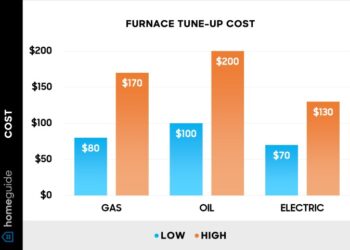
It is recommended to have HVAC systems serviced at least once a year by a professional technician. However, certain tasks such as changing filters may need to be done more frequently, typically every 1-3 months depending on usage and filter type.
Energy Efficiency in HVAC Systems
Energy efficiency plays a crucial role in HVAC systems as it directly impacts performance, cost, and environmental sustainability. By optimizing energy usage, HVAC systems can operate more effectively, reduce utility bills, and lower carbon emissions.
Comparison between Energy-Efficient and Traditional HVAC Systems
Energy-efficient HVAC systems are designed to consume less energy while delivering the same level of heating and cooling as traditional systems. They utilize advanced technologies such as variable-speed motors, smart thermostats, and zoning to optimize energy usage.
- Energy-efficient systems have higher upfront costs but offer long-term savings through reduced energy consumption.
- Traditional systems tend to be less expensive initially but can result in higher energy bills over time.
- Energy-efficient systems often have better performance, improved indoor air quality, and enhanced comfort levels compared to traditional systems.
Tips for Improving Energy Efficiency in HVAC Systems
Improving the energy efficiency of HVAC systems is essential for maximizing performance and reducing operating costs. Here are some tips:
- Regularly clean and replace air filters to ensure proper airflow and efficiency.
- Invest in a programmable thermostat to optimize temperature settings based on occupancy patterns.
- Seal ductwork to prevent air leaks and improve system efficiency.
- Upgrade to energy-efficient HVAC equipment with high SEER (Seasonal Energy Efficiency Ratio) ratings.
- Schedule annual maintenance by a professional to keep the system running efficiently.
Last Recap
In conclusion, HVAC systems play a crucial role in maintaining optimal indoor environments. With the right installation, maintenance, and focus on energy efficiency, you can ensure your HVAC system operates smoothly for years to come. Dive into the world of HVAC systems and elevate your understanding today.
FAQ
How often should HVAC systems be maintained?
It is recommended to have HVAC systems maintained at least once a year to ensure optimal performance.
What are the common maintenance tasks for HVAC systems?
Common tasks include changing filters regularly, inspecting ductwork for leaks, and ensuring proper airflow.
What is the impact of improper installation on HVAC system performance?
Improper installation can lead to inefficiencies, increased energy consumption, and reduced lifespan of the system.