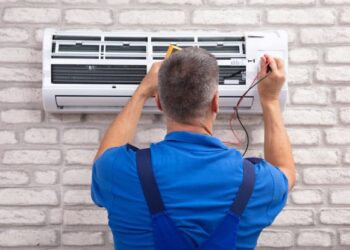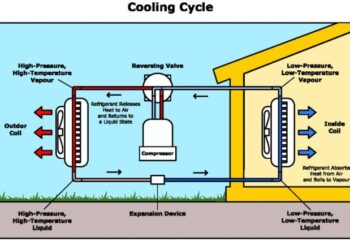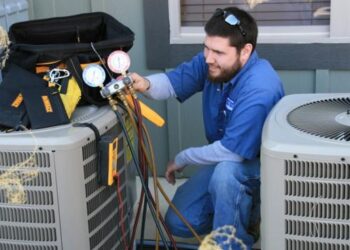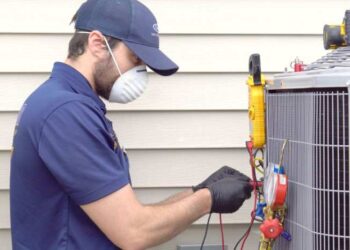

Delving into the realm of HVAC tune-up costs, we uncover the various factors, typical price ranges, significance of regular maintenance, comparison between DIY and professional services, and strategies for negotiating better deals. Join us on this insightful journey to understand the nuances of keeping your HVAC system in top shape without breaking the bank.
Factors Affecting HVAC Tune-Up Costs
When it comes to HVAC tune-up costs, several factors can influence the final price. Understanding these factors can help homeowners better budget for this essential maintenance service.
1. Type of HVAC System
The type of HVAC system you have in your home can greatly impact the cost of a tune-up. For example, a central air conditioning system may require more extensive cleaning and maintenance compared to a ductless mini-split system. This can result in higher costs for the tune-up service.
2. Age and Condition of the System
The age and condition of your HVAC system also play a significant role in determining the cost of a tune-up. Older systems or those in poor condition may require more time and effort to inspect, clean, and repair, leading to higher service fees.
3. Frequency of Maintenance
Regular maintenance of your HVAC system can help prevent major issues and keep it running efficiently. However, if you have neglected regular tune-ups in the past, the technician may need to spend more time addressing accumulated dirt, debris, or damage, which can increase the overall cost.
4. Additional Services Needed
Sometimes, additional services may be required during a tune-up, such as replacing air filters, cleaning ducts, or repairing faulty components. These extra services can add to the total cost of the tune-up, depending on the extent of the work needed.
5. Local Market Rates
The cost of HVAC services can vary depending on the local market rates in your area. Factors such as competition among service providers, labor costs, and overhead expenses can all impact the final price you pay for a tune-up.
6. Seasonal Demand
HVAC tune-up costs may fluctuate based on seasonal demand. For example, prices may be higher during peak seasons when service providers are busier and in high demand. Scheduling a tune-up during off-peak times may help you secure a more affordable rate.
Average Cost Range of HVAC Tune-Ups
When it comes to the average cost range of HVAC tune-ups, it's essential to consider various factors that can influence pricing. Research shows that the typical cost for HVAC tune-up services can range from $75 to $200. However, this range can vary depending on several factors, such as the size of the system, the extent of maintenance required, and the service provider.
Comparison of Pricing from Different Service Providers
- Some HVAC companies may offer tune-up services at the lower end of the price range, around $75 to $100. These companies may provide basic maintenance services such as cleaning filters and checking for any obvious issues.
- On the other hand, more reputable and experienced service providers may charge between $150 to $200 for a comprehensive tune-up. These companies may offer additional services such as inspecting ductwork, testing electrical components, and adjusting system settings for optimal performance.
- It's crucial to compare pricing from different service providers and consider the quality of service provided. While it may be tempting to opt for the cheapest option, investing in a thorough tune-up from a reputable company can help prevent costly repairs and improve the efficiency of your HVAC system in the long run.
Additional Fees or Charges
- Some service providers may include additional fees or charges in their pricing for HVAC tune-ups. These fees could be for extra services not included in the standard tune-up package, such as replacing worn-out parts or repairing minor issues.
- It's essential to inquire about any potential additional fees upfront and ensure that you understand what is included in the tune-up service. This transparency can help you avoid any surprises when it comes time to pay the final bill.
Importance of Regular HVAC Maintenance
Regular HVAC maintenance plays a crucial role in ensuring the efficiency and longevity of your heating, ventilation, and air conditioning system. By scheduling routine tune-ups, you can prevent potential issues from escalating into costly repairs in the future.
Preventing Costly Repairs
Regular maintenance helps identify and address minor problems before they turn into major issues that require expensive repairs. For example, a simple inspection can reveal worn-out components that, if left unattended, could lead to system failure.
Improving HVAC Efficiency
Routine tune-ups can also improve the efficiency of your HVAC system, resulting in lower energy bills and a more comfortable indoor environment. Cleaning or replacing air filters, checking refrigerant levels, and calibrating thermostats are some maintenance tasks that can enhance the system's performance.
DIY vs. Professional HVAC Tune-Up Costs
When it comes to HVAC tune-ups, homeowners often face the decision of whether to tackle the maintenance tasks themselves or hire a professional HVAC technician
Costs and Pros/Cons of DIY HVAC Tune-Ups
- Cost: DIY tune-ups generally have lower upfront costs as you won't be paying for professional labor.
- Pros: You have more control over the process and can schedule the tune-up at your convenience.
- Cons: Lack of expertise and proper tools may lead to incomplete maintenance, overlooking critical issues, or causing damage unknowingly.
Professional HVAC Tune-Up Costs:
Costs and Pros/Cons of Professional HVAC Tune-Ups
- Cost: Hiring a professional HVAC technician for a tune-up will involve labor costs and potentially higher service fees.
- Pros: Professionals have the skills, knowledge, and tools to ensure thorough maintenance, identify potential problems early, and provide expert recommendations.
- Cons: Higher upfront costs compared to a DIY approach.
Tips for Decision-making:
When to DIY and When to Hire a Professional
- If you have some experience with HVAC systems and feel confident in performing basic maintenance tasks like filter replacement or cleaning, DIY may be suitable.
- However, if you lack the necessary skills, tools, or encounter complex issues during the inspection, it's best to hire a professional to avoid causing more harm than good.
- Consider the age and condition of your HVAC system – older units or those requiring extensive repairs should be handled by professionals to ensure safety and efficiency.
Negotiating HVAC Tune-Up Costs
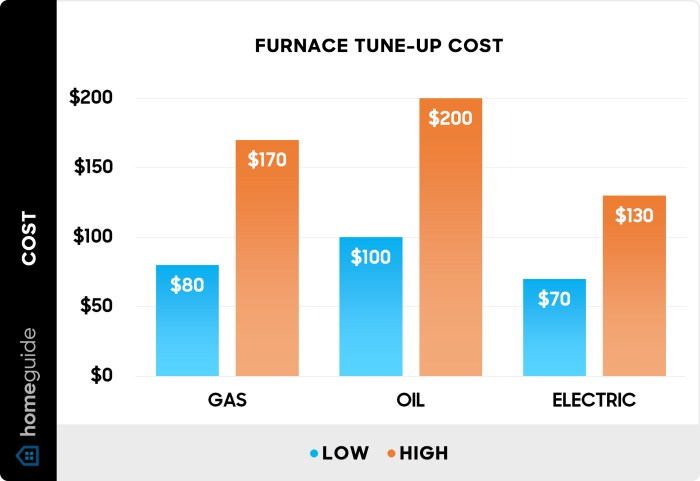
When it comes to HVAC tune-up costs, negotiating can be a useful way to get a better deal on the services you need. Here are some strategies to help you negotiate better prices and find discounts:
Strategies for Negotiating Better Prices
- Do your research: Before contacting HVAC service providers, research the average cost of tune-up services in your area. This will give you a benchmark to negotiate from.
- Request multiple quotes: Reach out to several HVAC companies and get quotes for the services you require. Use these quotes to compare prices and leverage them in your negotiations.
- Bundle services: If you need multiple HVAC services, such as repairs or installation along with a tune-up, ask if the company offers discounts for bundling services together.
Finding Discounts and Special Offers
- Look for seasonal promotions: HVAC companies often run promotions during slower seasons to attract more customers. Take advantage of these discounts to save on your tune-up costs.
- Check for online coupons: Some HVAC companies offer online coupons or discounts for first-time customers. Be sure to explore their websites or social media pages for these offers.
- Ask for loyalty discounts: If you have been a long-time customer of a particular HVAC company, inquire about loyalty discounts for repeat business.
Importance of Written Estimates and Agreements
Getting written estimates and agreements from HVAC service providers is crucial to avoid unexpected costs. Make sure to:
- Get all costs in writing: Have the company provide a detailed breakdown of the services included in the tune-up and the associated costs.
- Clarify payment terms: Understand the payment schedule and ensure there are no hidden fees or charges that could surprise you later on.
- Sign a contract: Having a signed agreement in place protects both you and the service provider, outlining the scope of work and responsibilities of each party.
Conclusive Thoughts
As we wrap up our discussion on HVAC tune-up costs, remember that investing in regular maintenance not only keeps your system running smoothly but also helps you save on potential repair expenses in the long run. By being aware of the factors influencing costs and knowing how to navigate pricing options, you can ensure your HVAC system remains efficient and reliable for years to come.
Answers to Common Questions
What factors can influence HVAC tune-up costs?
Factors such as the age of the system, frequency of maintenance, extent of service needed, and geographic location can all impact the overall cost of HVAC tune-ups.
Is DIY HVAC tune-up cost-effective compared to hiring a professional?
While DIY tune-ups may save money upfront, professionals can offer expertise and ensure thorough servicing, potentially preventing costly repairs down the line. It's essential to weigh the pros and cons based on your specific needs.
How can one negotiate better prices for HVAC tune-up services?
Negotiating better prices involves researching multiple providers, asking for discounts or specials, comparing quotes, and ensuring all agreements are in writing to avoid unexpected costs.