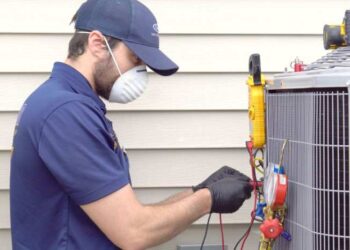

Maintenance is the backbone of operational efficiency, ensuring the smooth functioning of equipment and machinery. Dive into this comprehensive guide to explore the intricate world of maintenance practices, from preventive strategies to cutting-edge technologies, all designed to optimize performance and minimize downtime.
Discover the essence of maintenance and how it shapes the landscape of various industries, setting the stage for a compelling narrative filled with insights and practical tips.
Importance of Maintenance
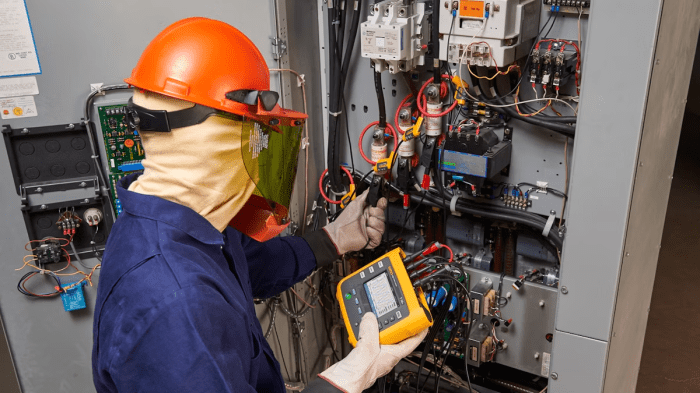
Maintenance is a crucial aspect of ensuring the longevity and optimal performance of equipment and machinery. Regular maintenance helps prevent breakdowns, extends the lifespan of machinery, and reduces the risk of costly repairs or replacements.
Cost-Saving Benefits
Regular maintenance can lead to significant cost savings for businesses. By addressing minor issues early on through routine maintenance checks, companies can avoid major breakdowns that require expensive repairs or even replacement of equipment. This proactive approach helps businesses minimize downtime and increase productivity.
- Preventive maintenance schedules can help detect and address potential issues before they escalate, saving businesses from unexpected repair costs.
- Well-maintained equipment tends to operate more efficiently, reducing energy consumption and lowering operational costs in the long run.
- Regular maintenance can also contribute to a safer work environment by ensuring that equipment is functioning properly and meets safety standards, thereby reducing the risk of accidents and associated costs.
Industries where Maintenance is Critical
Maintenance plays a critical role in various industries where equipment reliability and uptime are essential for operations. Some examples include:
- Manufacturing: In manufacturing plants, machinery and production equipment need to be well-maintained to ensure uninterrupted production processes and meet production targets.
- Aviation: Aircraft maintenance is crucial for ensuring flight safety and compliance with aviation regulations. Regular maintenance checks are essential to prevent mechanical failures that could jeopardize passenger safety.
- Hospitality: Hotels and resorts rely on well-maintained facilities and equipment to provide guests with a comfortable and enjoyable experience. Regular maintenance helps prevent disruptions to guest services and ensures a positive reputation.
Types of Maintenance
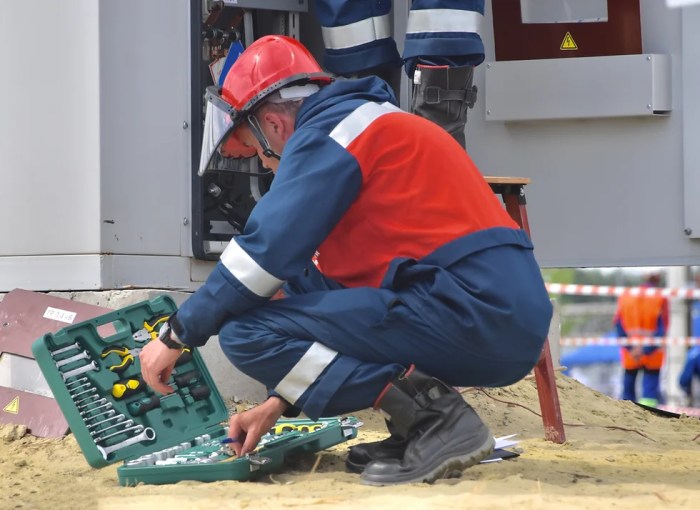
In the field of maintenance, there are various strategies that organizations can implement to ensure the proper functioning of their equipment and infrastructure. Each type of maintenance has its own advantages and disadvantages, making them suitable for different situations depending on the specific needs of the organization.
Preventive Maintenance
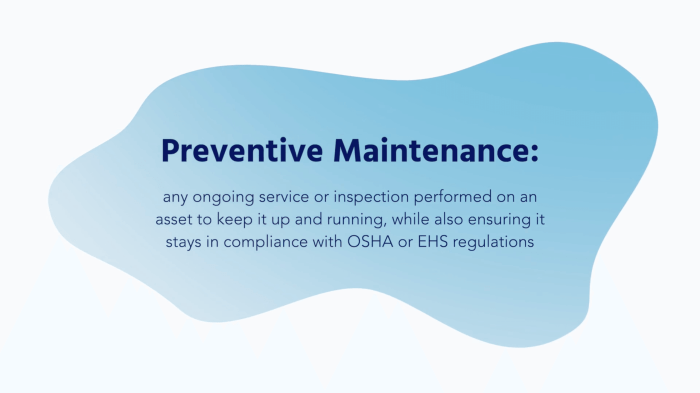
Preventive maintenance involves conducting regular inspections, repairs, and replacements on equipment before any actual failure occurs. This proactive approach helps prevent unexpected breakdowns and extends the lifespan of assets. Some advantages of preventive maintenance include reduced downtime, increased equipment reliability, and improved safety.
However, it can be costly and time-consuming if not planned and executed efficiently. An example of preventive maintenance is changing the oil in a car every 5,000 miles to prevent engine damage.
Predictive Maintenance
Predictive maintenance utilizes data and analytics to predict when equipment is likely to fail, allowing maintenance to be performed only when necessary. By monitoring key indicators such as temperature, vibration, and performance metrics, organizations can optimize maintenance schedules and minimize downtime.
The main advantage of predictive maintenance is cost savings due to reduced unnecessary maintenance tasks. However, it requires sophisticated technology and skilled personnel to implement effectively. An example of predictive maintenance is using sensors to monitor the condition of bearings in a manufacturing plant and scheduling maintenance only when signs of wear are detected.
Corrective Maintenance
Corrective maintenance, also known as breakdown maintenance, involves repairing equipment only after it has failed. This reactive approach is often used when preventive or predictive maintenance is not feasible or cost-effective. While corrective maintenance is easy to implement and does not require upfront investment, it can lead to increased downtime, higher repair costs, and reduced equipment reliability in the long run.
An example of corrective maintenance is fixing a leaking pipe in a building only after it has burst.
Maintenance Procedures

When it comes to industrial machinery, conducting regular preventive maintenance is crucial to ensure optimal performance and avoid costly breakdowns. By following a step-by-step guide for maintenance procedures, you can keep your equipment running smoothly and extend its lifespan.
Creating Maintenance Schedules and Checklists
Creating maintenance schedules and checklists is essential for staying organized and ensuring that no maintenance tasks are overlooked. By establishing a regular maintenance schedule, you can plan and allocate time for preventive maintenance activities. Checklists help to ensure that all necessary steps are taken during maintenance procedures, reducing the risk of errors and oversights.
- Develop a detailed maintenance schedule outlining when specific maintenance tasks should be performed.
- Create checklists for each maintenance task, including step-by-step instructions and necessary tools or materials.
- Regularly review and update maintenance schedules and checklists to adapt to changing equipment needs or operational conditions.
Regular maintenance schedules and checklists help to streamline maintenance procedures, improve efficiency, and minimize downtime.
Troubleshooting Common Maintenance Issues
Efficiently troubleshooting common maintenance issues can help prevent minor problems from escalating into major breakdowns. By following these tips, you can quickly identify and address maintenance issues, keeping your industrial machinery in optimal condition.
- Understand the normal operating conditions of the equipment to easily spot abnormalities or malfunctions.
- Keep detailed records of maintenance activities and equipment performance to track patterns and identify recurring issues.
- Train maintenance staff on troubleshooting techniques and provide access to resources such as equipment manuals or technical support.
- Utilize diagnostic tools and equipment to quickly diagnose maintenance issues and implement appropriate solutions.
Efficient troubleshooting of common maintenance issues can help minimize downtime, reduce repair costs, and ensure the continuous operation of industrial machinery.
Tools and Technologies for Maintenance
Predictive maintenance has greatly benefited from the advancements in tools and technologies. Modern maintenance practices rely on a variety of innovative solutions to ensure equipment reliability, reduce downtime, and optimize maintenance schedules.
Predictive Maintenance Tools
- Sensors: Sensors play a crucial role in predictive maintenance by collecting real-time data on equipment performance. These sensors can monitor various parameters such as temperature, vibration, and pressure, providing insights into the health of the machinery.
- IoT Devices: The Internet of Things (IoT) devices enable connectivity and communication between different machines and systems. By leveraging IoT devices, maintenance teams can access data remotely, track asset conditions, and perform predictive maintenance tasks more efficiently.
AI and Machine Learning in Maintenance
- AI: Artificial Intelligence (AI) algorithms can analyze vast amounts of data to identify patterns and anomalies in equipment behavior. By using AI-powered tools, maintenance professionals can predict potential failures, schedule maintenance activities proactively, and optimize resource allocation.
- Machine Learning: Machine learning models can learn from historical maintenance data to forecast equipment failures and recommend preventive actions. These models continuously improve their accuracy over time, enabling maintenance teams to make data-driven decisions and enhance equipment reliability.
Data Analytics for Maintenance Optimization
- Data Analytics: Data analytics tools help maintenance teams extract valuable insights from operational data, maintenance records, and sensor readings. By analyzing this data, organizations can identify trends, predict equipment failures, and optimize maintenance processes to increase efficiency and reduce costs.
- Predictive Analytics: Predictive analytics techniques use historical and real-time data to forecast equipment failures and prescribe maintenance actions. By adopting predictive analytics solutions, maintenance teams can shift from reactive to proactive maintenance strategies, ultimately improving asset performance and reliability.
Closure
As we conclude this exploration of maintenance, we unveil a tapestry of strategies and tools that are instrumental in enhancing productivity and reliability. Embrace the power of maintenance to propel your operations towards peak efficiency and longevity.
Question Bank
Why is maintenance important?
Maintenance is crucial for ensuring the longevity and optimal performance of equipment, preventing costly breakdowns and downtime.
What are the different types of maintenance?
There are preventive, predictive, and corrective maintenance strategies, each with its own advantages and disadvantages.
How can I troubleshoot common maintenance issues effectively?
Creating maintenance schedules, checklists, and utilizing modern tools can help streamline the troubleshooting process and ensure efficient problem-solving.