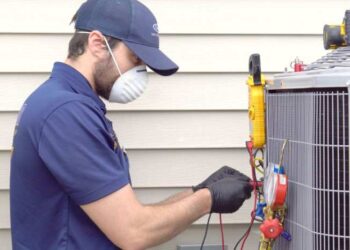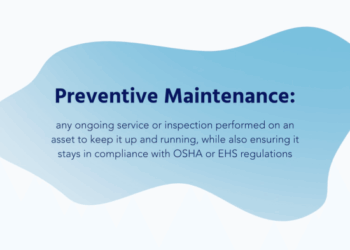

Preventative maintenance is the unsung hero in the world of equipment longevity, quietly ensuring smooth operations and preventing costly surprises. By delving into the realm of preventative maintenance, we uncover a world where proactive care leads to extended equipment lifespan and optimized efficiency.
As we explore the key components and common procedures of preventative maintenance, a clear picture emerges of the meticulous planning and execution required to keep equipment in prime condition.
Importance of Preventative Maintenance
Preventative maintenance plays a crucial role in extending the lifespan of equipment and machinery, ensuring they remain functional for a longer period of time.
Avoid Costly Repairs
Regular maintenance schedules can help in identifying and addressing potential issues before they escalate into major problems, thus saving on costly repairs in the long run.
- By regularly inspecting and servicing equipment, minor wear and tear can be detected early on and addressed promptly, preventing the need for expensive replacements.
- Routine maintenance tasks such as lubrication, cleaning, and calibration can prevent breakdowns and malfunctions that may result in costly downtime.
Improve Operational Efficiency
Implementing a preventative maintenance program can also lead to enhanced operational efficiency and productivity within a facility or organization.
- Well-maintained equipment tends to operate more smoothly and efficiently, reducing energy consumption and improving overall performance.
- Regular maintenance can help optimize equipment settings, leading to better output quality and reducing the likelihood of production delays.
Key Components of a Preventative Maintenance Plan
Preventative maintenance plans play a crucial role in ensuring the smooth operation of equipment and machinery. By proactively addressing potential issues before they escalate, businesses can minimize downtime and reduce costly repairs. Let's explore the key components that should be included in a comprehensive preventative maintenance plan.
Regular Inspections and Assessments
- Conduct routine inspections to identify any signs of wear and tear.
- Perform regular assessments to evaluate the overall condition of equipment.
- Address minor issues promptly to prevent them from developing into major problems.
Scheduled Maintenance Tasks
- Develop a schedule for routine maintenance tasks based on manufacturer recommendations.
- Ensure that maintenance tasks are distributed evenly throughout the year to maintain consistent upkeep.
- Prioritize critical maintenance tasks to prevent equipment failure and downtime.
Proper Training and Resources
- Provide training to maintenance personnel on best practices for equipment maintenance.
- Ensure that the necessary tools and resources are readily available for conducting maintenance tasks.
- Regularly update training programs to keep personnel informed about new technologies and techniques.
Documentation and Record-Keeping
- Maintain detailed records of all maintenance activities, including dates, tasks performed, and parts replaced.
- Use a centralized system to store maintenance records for easy access and reference.
- Analyze maintenance data to identify trends and areas for improvement in the maintenance plan.
Common Preventative Maintenance Procedures
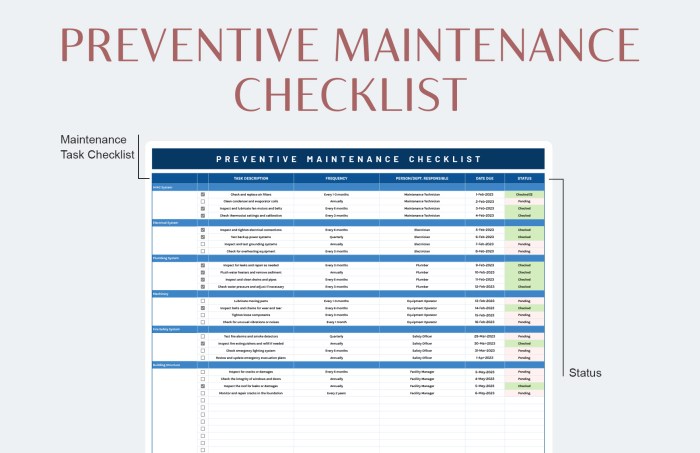
When it comes to preventative maintenance, there are several common procedures that are essential to keeping equipment running smoothly and efficiently.
Lubrication
Proper lubrication is crucial to prevent friction and wear on moving parts. This routine maintenance task involves applying the right type and amount of lubricant to ensure optimal performance and prolong the lifespan of equipment.
Inspection
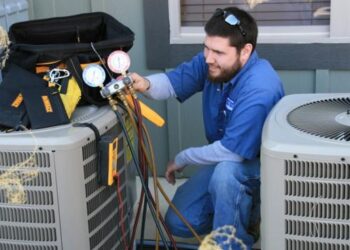
Regular inspections help identify any signs of wear, damage, or potential issues before they escalate into major problems. This can involve visually checking components, listening for unusual sounds, or using diagnostic tools to assess performance.
Calibration
Calibrating equipment ensures that it is operating within specified parameters and providing accurate results. This process involves adjusting settings, measuring outputs, and verifying that the equipment meets quality standards.
Equipment-Specific Maintenance Routines
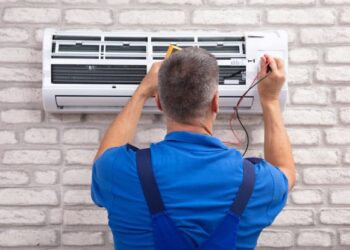
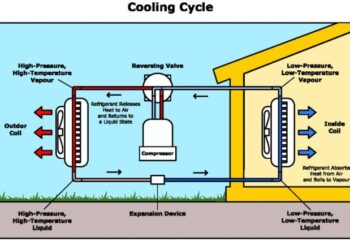
Each type of equipment may require unique maintenance procedures based on its design and usage. For example, HVAC systems may need filter replacements, while manufacturing machinery may need belt tension adjustments. It is crucial to follow manufacturer guidelines for specific maintenance routines.
Prioritizing Maintenance Tasks
It is important to prioritize maintenance tasks based on the criticality of equipment to operations. Identifying essential equipment and tasks that directly impact production or safety is crucial to ensuring that resources are allocated effectively.
Benefits of Predictive Maintenance vs. Preventative Maintenance
Predictive maintenance and preventative maintenance are both crucial strategies in ensuring the reliability and efficiency of equipment and machinery. While preventative maintenance focuses on scheduled inspections and maintenance tasks to prevent breakdowns, predictive maintenance utilizes data and technology to predict when maintenance is needed based on the actual condition of the equipment.
Comparison of Predictive Maintenance and Preventative Maintenance
- Predictive maintenance allows for more targeted and timely maintenance interventions, as it is based on real-time data and machine condition monitoring.
- Preventative maintenance, on the other hand, relies on predetermined schedules and may lead to unnecessary maintenance if performed too frequently.
- Predictive maintenance can help in identifying potential issues before they escalate, reducing downtime and costly repairs.
- Preventative maintenance is more suited for equipment with known failure patterns and where the cost of failure is high.
Predictive Maintenance Technologies and Complement to Preventative Maintenance
Predictive maintenance technologies such as sensors, IoT devices, and data analytics play a crucial role in enhancing the effectiveness of preventative maintenance. By continuously monitoring equipment performance and collecting data on key parameters, predictive maintenance can provide valuable insights into the health of the equipment and predict when maintenance is required.
This data-driven approach complements preventative maintenance by enabling more precise and efficient maintenance activities.
Scenarios for Predictive Maintenance Over Preventative Maintenance
- In complex machinery with multiple components and variables, predictive maintenance can offer a more accurate assessment of the equipment's condition compared to preventative maintenance.
- For equipment operating in harsh environments or under varying load conditions, predictive maintenance can adapt to changing conditions and provide more reliable maintenance predictions.
- Industries where unplanned downtime can have severe consequences, such as in manufacturing or healthcare, may benefit more from predictive maintenance to prevent costly disruptions.
Final Conclusion
In conclusion, preventative maintenance emerges as a vital practice that not only saves costs but also enhances operational effectiveness. By staying ahead of issues and embracing a proactive approach, businesses can secure the longevity and efficiency of their equipment for years to come.
FAQ Resource
How often should preventative maintenance be performed?
Preventative maintenance tasks should be scheduled regularly based on equipment usage and manufacturer recommendations to ensure optimal performance.
What are the benefits of documentation in a maintenance plan?
Documentation helps track maintenance history, identify patterns, and streamline future maintenance tasks for increased efficiency.
Is predictive maintenance always superior to preventative maintenance?
Predictive maintenance excels in detecting imminent issues, but preventative maintenance remains crucial for overall equipment health and longevity.
Preventative maintenance is the unsung hero in the world of equipment longevity, quietly ensuring smooth operations and preventing costly surprises. By delving into the realm of preventative maintenance, we uncover a world where proactive care leads to extended equipment lifespan and optimized efficiency.
As we explore the key components and common procedures of preventative maintenance, a clear picture emerges of the meticulous planning and execution required to keep equipment in prime condition.
Importance of Preventative Maintenance
Preventative maintenance plays a crucial role in extending the lifespan of equipment and machinery, ensuring they remain functional for a longer period of time.
Avoid Costly Repairs
Regular maintenance schedules can help in identifying and addressing potential issues before they escalate into major problems, thus saving on costly repairs in the long run.
- By regularly inspecting and servicing equipment, minor wear and tear can be detected early on and addressed promptly, preventing the need for expensive replacements.
- Routine maintenance tasks such as lubrication, cleaning, and calibration can prevent breakdowns and malfunctions that may result in costly downtime.
Improve Operational Efficiency
Implementing a preventative maintenance program can also lead to enhanced operational efficiency and productivity within a facility or organization.
- Well-maintained equipment tends to operate more smoothly and efficiently, reducing energy consumption and improving overall performance.
- Regular maintenance can help optimize equipment settings, leading to better output quality and reducing the likelihood of production delays.
Key Components of a Preventative Maintenance Plan
Preventative maintenance plans play a crucial role in ensuring the smooth operation of equipment and machinery. By proactively addressing potential issues before they escalate, businesses can minimize downtime and reduce costly repairs. Let's explore the key components that should be included in a comprehensive preventative maintenance plan.
Regular Inspections and Assessments
- Conduct routine inspections to identify any signs of wear and tear.
- Perform regular assessments to evaluate the overall condition of equipment.
- Address minor issues promptly to prevent them from developing into major problems.
Scheduled Maintenance Tasks
- Develop a schedule for routine maintenance tasks based on manufacturer recommendations.
- Ensure that maintenance tasks are distributed evenly throughout the year to maintain consistent upkeep.
- Prioritize critical maintenance tasks to prevent equipment failure and downtime.
Proper Training and Resources
- Provide training to maintenance personnel on best practices for equipment maintenance.
- Ensure that the necessary tools and resources are readily available for conducting maintenance tasks.
- Regularly update training programs to keep personnel informed about new technologies and techniques.
Documentation and Record-Keeping
- Maintain detailed records of all maintenance activities, including dates, tasks performed, and parts replaced.
- Use a centralized system to store maintenance records for easy access and reference.
- Analyze maintenance data to identify trends and areas for improvement in the maintenance plan.
Common Preventative Maintenance Procedures
When it comes to preventative maintenance, there are several common procedures that are essential to keeping equipment running smoothly and efficiently.
Lubrication
Proper lubrication is crucial to prevent friction and wear on moving parts. This routine maintenance task involves applying the right type and amount of lubricant to ensure optimal performance and prolong the lifespan of equipment.
Inspection
Regular inspections help identify any signs of wear, damage, or potential issues before they escalate into major problems. This can involve visually checking components, listening for unusual sounds, or using diagnostic tools to assess performance.
Calibration
Calibrating equipment ensures that it is operating within specified parameters and providing accurate results. This process involves adjusting settings, measuring outputs, and verifying that the equipment meets quality standards.
Equipment-Specific Maintenance Routines
Each type of equipment may require unique maintenance procedures based on its design and usage. For example, HVAC systems may need filter replacements, while manufacturing machinery may need belt tension adjustments. It is crucial to follow manufacturer guidelines for specific maintenance routines.
Prioritizing Maintenance Tasks
It is important to prioritize maintenance tasks based on the criticality of equipment to operations. Identifying essential equipment and tasks that directly impact production or safety is crucial to ensuring that resources are allocated effectively.
Benefits of Predictive Maintenance vs. Preventative Maintenance
Predictive maintenance and preventative maintenance are both crucial strategies in ensuring the reliability and efficiency of equipment and machinery. While preventative maintenance focuses on scheduled inspections and maintenance tasks to prevent breakdowns, predictive maintenance utilizes data and technology to predict when maintenance is needed based on the actual condition of the equipment.
Comparison of Predictive Maintenance and Preventative Maintenance
- Predictive maintenance allows for more targeted and timely maintenance interventions, as it is based on real-time data and machine condition monitoring.
- Preventative maintenance, on the other hand, relies on predetermined schedules and may lead to unnecessary maintenance if performed too frequently.
- Predictive maintenance can help in identifying potential issues before they escalate, reducing downtime and costly repairs.
- Preventative maintenance is more suited for equipment with known failure patterns and where the cost of failure is high.
Predictive Maintenance Technologies and Complement to Preventative Maintenance
Predictive maintenance technologies such as sensors, IoT devices, and data analytics play a crucial role in enhancing the effectiveness of preventative maintenance. By continuously monitoring equipment performance and collecting data on key parameters, predictive maintenance can provide valuable insights into the health of the equipment and predict when maintenance is required.
This data-driven approach complements preventative maintenance by enabling more precise and efficient maintenance activities.
Scenarios for Predictive Maintenance Over Preventative Maintenance
- In complex machinery with multiple components and variables, predictive maintenance can offer a more accurate assessment of the equipment's condition compared to preventative maintenance.
- For equipment operating in harsh environments or under varying load conditions, predictive maintenance can adapt to changing conditions and provide more reliable maintenance predictions.
- Industries where unplanned downtime can have severe consequences, such as in manufacturing or healthcare, may benefit more from predictive maintenance to prevent costly disruptions.
Final Conclusion
In conclusion, preventative maintenance emerges as a vital practice that not only saves costs but also enhances operational effectiveness. By staying ahead of issues and embracing a proactive approach, businesses can secure the longevity and efficiency of their equipment for years to come.
FAQ Resource
How often should preventative maintenance be performed?
Preventative maintenance tasks should be scheduled regularly based on equipment usage and manufacturer recommendations to ensure optimal performance.
What are the benefits of documentation in a maintenance plan?
Documentation helps track maintenance history, identify patterns, and streamline future maintenance tasks for increased efficiency.
Is predictive maintenance always superior to preventative maintenance?
Predictive maintenance excels in detecting imminent issues, but preventative maintenance remains crucial for overall equipment health and longevity.